Our goal:
“Adding something to human knowledge in the field of wildlife”.
Being involved in scientific research is one of the missions of a modern zoological park.
The potential themes are numerous, and include biology, ethology, physiology and animal pathology.
All research work at the Réserve Africaine de Sigean is supervised by the park’s zoological managers and governed by research agreements signed with universities, veterinary schools or research units.
In addition to being non-invasive, these research programs must be carried out without modifying the animals’ behavior or endangering their health and/or well-being.
These studies can have different objectives:
- respond to a particular problem within the African Reserve (following a pathological episode that has not yet been studied, for example),
- participate in fundamental research into the behavior of species that are difficult to observe in situ,
- improve welfare and conservation in zoos, for example through more appropriate feeding or genetic studies of our animals,
- be the prelude to field programs, which can be developed on our more accessible animals, before being implemented on their wild congeners.
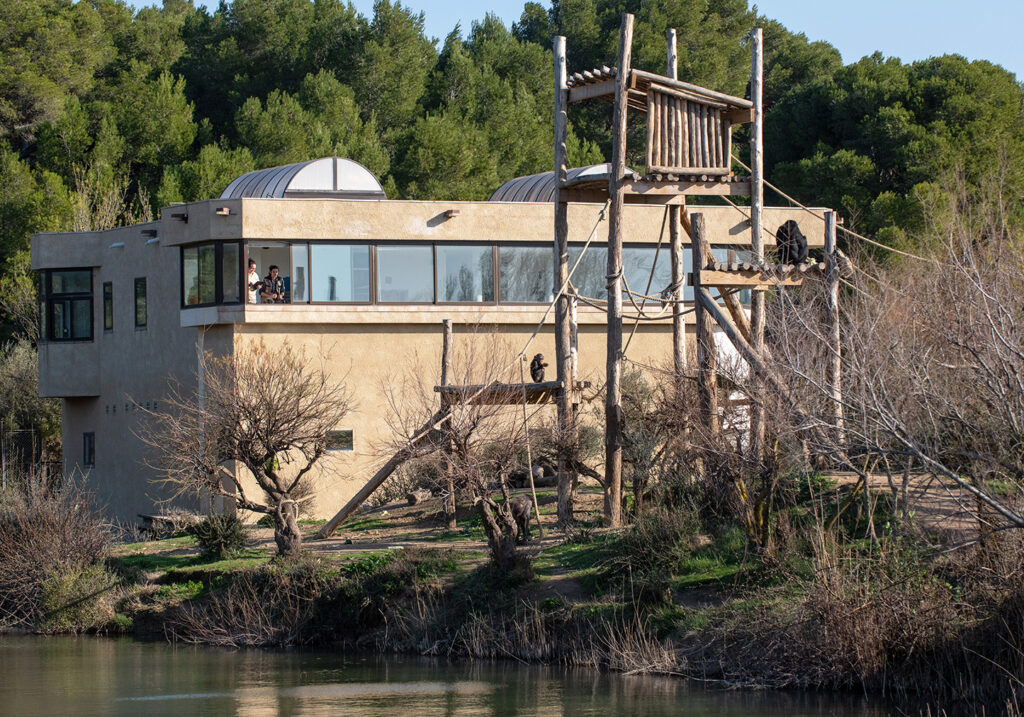
At Sigean, large open spaces are offered to the herds, some of the largest in Europe. They provide ethologists with conditions that are close to those of the natural environment.
The Reserve regularly welcomes students co-supervised by Reserve scientific staff and external researchers.
Our unspoilt natural setting is also an invitation to study native biodiversity, and numerous bird, reptile and chiropteran population surveys are carried out every year.
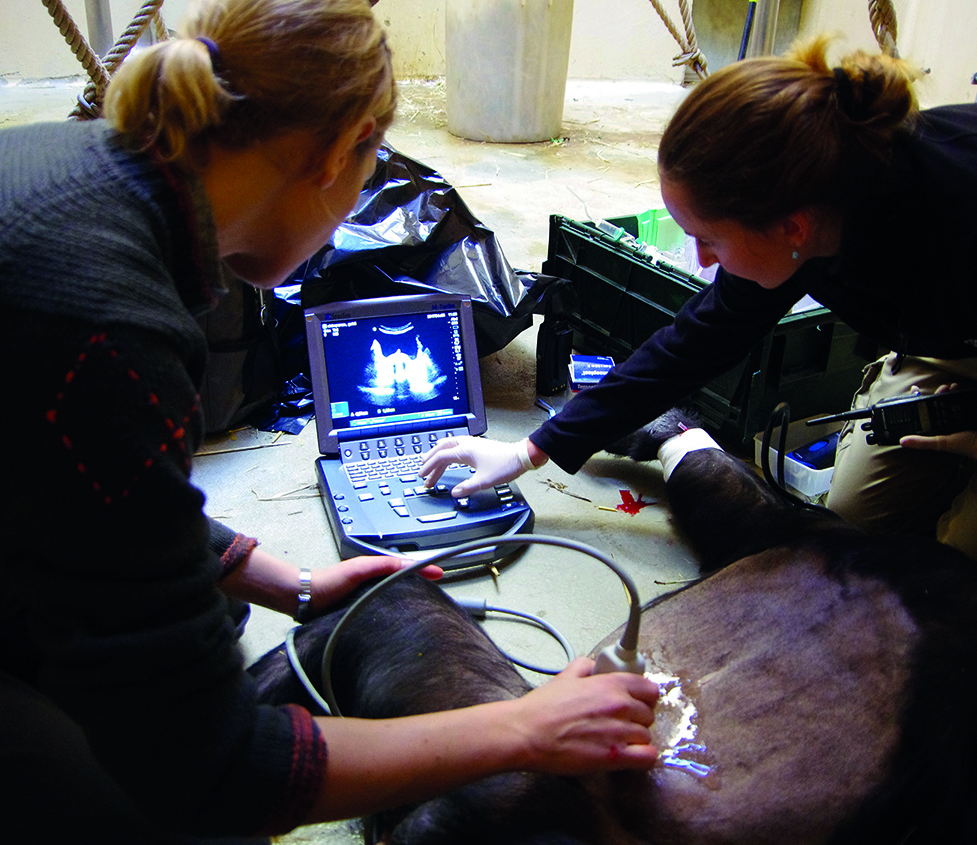
Last but not least, our veterinarians keep in mind the needs of researchers who require certain tissue samples to advance their work.
So, during the anaesthetics needed to monitor our animals’ good health, we can take blood, hair and stool samples for various research projects.
Here are some recent contributions from the Réserve Africaine de Sigean to research programs:
- Ethological and environmental study of intestinal parasitism in equids. This study is the subject of a university thesis supervised and financed by the Réserve Africaine de Sigean (2021-2024).
- Study on blood groups in wild felids as part of a veterinary PhD thesis (VetoAgroSup, 2023–2025).
- Behavioural study on combinatorial flexibility and non-trivial syntax in chimpanzees (EthoS, University of Rennes, 2024).
- Study on the prevalence of sexually transmitted diseases in Somali wild asses (ANSES, ongoing).
- Study on factors predisposing to the re-emergence of plague in France (INRAe, ongoing).
- Participation in cross-disciplinary surveys and manipulations at European zoos on various themes. Some recent examples (2025): retrospective study on the causes of mortality in captive cheetahs (EEP), photographic study on nasal depigmentation in lions (UAX, Spain), study on the origin of ataxic syndromes in cheetahs (Thoiry Zoo, France), retrospective study on the causes of mortality in Barbary macaques (EEP), contribution to the European sample bank, …